
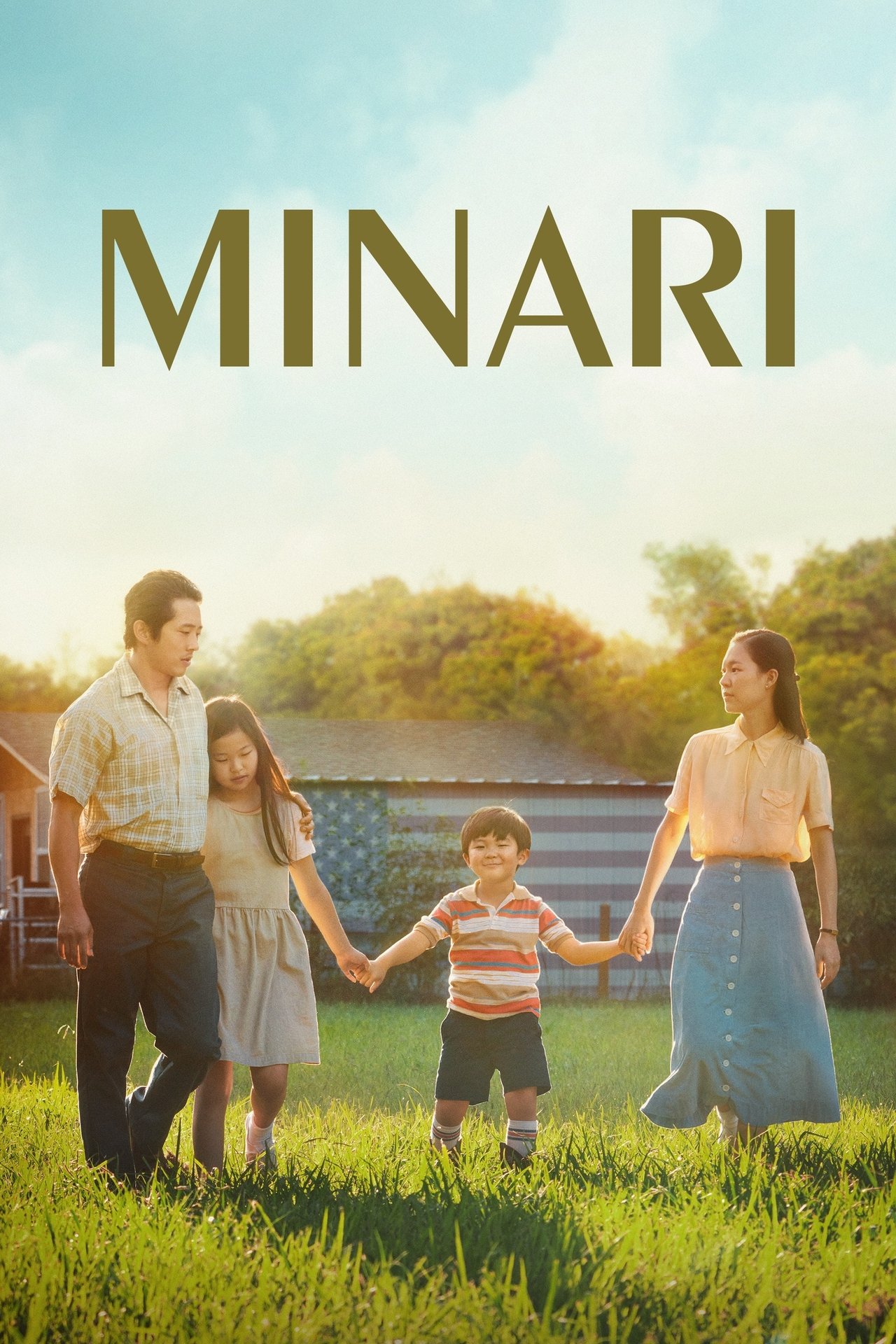
A Korean American family moves to an Arkansas farm in search of its own American dream. Amidst the challenges of this new life in the strange and rugged Ozarks, they discover the undeniable resilience of family and what really makes a home.
Will Minari make you cry?
A lot of viewers say yes — but not in a nonstop sobbing way. Many reactions describe a gentle, lived-in build that starts landing early on, tightens midway, and then turns into a real release in the final stretch. You’ll see people describe “sobbed on the plane” and “still crying,” especially after it sneaks up on them.
Read the full write-up on MinariI moved to the States with my parents from China when I was four years old. Each scene from the movie felt like a piece of my own lived experiences. Watching the scenes of Minari made me feel very nostalgic and reminiscent of the days growing up. When the family thought “Mountain Dew” literally meant healthy water from the mountains, I thought of the times when my family bought Capri Sun from Walmart thinking it’s healthy (and also because it was cheaper compared to refrigerated juice) and because the white kids always brought this in their school lunch boxes. When the dad smokes outside to think about how he can turn his business around, it felt like a replica of the evenings I saw my dad smoking on the balcony to figure out how to make ends meet. When the grandma brings chili powder, anchovies, and other cooking ingredients from Korea, and the mom tears up because of how difficult these ingredients are to find in the US. I thought about the 4 hour round trips my family would make on a weekly basis from our rural town in CT to visit the Chinese supermarkets in Queens, NY. When the mom and dad get into a heated argument about money that almost led to their divorce, I think about all the money arguments and fights my parents had, and their eventual separation because of financial problems. This family resembled my family not only as immigrants, but also in terms of class and education level and that made the connection feel even deeper. I cried in the final scenes, when Soonja the grandma, the character who has been the emotional anchor for the family, getsfamily gets a stroke and lies in bed. It made me think a lot about the inevitability of sickness in life. When she finally recovers her ability to walk, she accidentally sets the family’s barn on fire. She feels such a sense of shame that she runs away. The grandson, despite his heart condition and many disagreements with Soonja, runs to bring back his grandma. In the face of dire situations, the family will always be the rock grounding you. Reminds me of what my dad often says in Chinese, “There’s only a few people we have in the United States, we gotta take care of each other.” Minari made me think about home not just as a physicaljust a physical space, but also as an emotional and cultural anchor. Home brought a sense of groundedness and safety in a foreign land. Home is where I watched my Chinese TV, ate Chinese food, spoke the Chinese language. On the other hand, home also created a sense of confusion. Home, in some ways, felt like a “foreign land” in the midst of navigating a foreign land. At the time, the two spaces felt mutually exclusive because of the language and cultural barriers. Watching the hardships the family in Minari went through made me feel very grateful towards my parents. They rebuilt their life in a place where they couldn’t speak the language and made the most of what they had. I realized that I actually learned a lot from them growing up, their resilience, scrappiness, and hardworking attitude, and these are values I also cherish most about myself.
I moved to the States with my parents from China when I was four years old. Each scene from the movie felt like a piece of my own lived experiences. Watching the scenes of Minari made me feel very nostalgic and reminiscent of the days growing up. When the family thought “Mountain Dew” literally meant healthy water from the mountains, I thought of the times when my family bought Capri Sun from Wa...
What Others Are Saying
sobbed on the plane drinking ginger ale and looking out the window like i was in a music video
— Letterboxd user criticalthought
It was the first time I watched Minari without losing my focus during the 2 and a half hours. I cried so much...
— Letterboxd user Ize
first movie i’ve seen in theaters since last february!! i cried like a bitch and am still crying!!!
— Letterboxd user Claire
I laughed. I cried. I laughed some more. It was everything I expected and more.
— Reddit, /r/movies (Official Discussion)
I cried throughout the film and, for a week after, flashed back to moments...
— Jean Lee, The Independent
How sad is Minari and will it make you cry?
A lot of viewers say yes — but not in a nonstop sobbing way. Many reactions describe a gentle, lived-in build that starts landing early on, tightens midway, and then turns into a real release in the final stretch. You’ll see people describe “sobbed on the plane” and “still crying,” especially after it sneaks up on them.
Most viewer language frames it as the kind of movie you cry during because it feels close to home, not because it’s trying to crush you. People often mention that it hits hardest in quiet family moments and in the way small things suddenly feel enormous.
Potential spoilers below
The following sections may reveal plot details.
Potential Soft Spots
- Family pressure and miscommunication
- Missing home / being far from roots
- Grandparents and intergenerational love
- Marriage strain under stress
- Feeling like an outsider in a new place
What People Are Saying
"sobbed on the plane drinking ginger ale and looking out the window like i was in a music video"
"It was the first time I watched Minari without losing my focus during the 2 and a half hours. I cried so much..."
"first movie i’ve seen in theaters since last february!! i cried like a bitch and am still crying!!!"
"I laughed. I cried. I laughed some more. It was everything I expected and more."
"I cried throughout the film and, for a week after, flashed back to moments..."
Behind the Scenes & Cultural Impact
- Steven Yeun said he watched with his parents at Sundance, and that he and his dad “sobbed” and then “embraced and really, really cried.” WBEZ interview
- Han Ye-ri’s interviews turned into a recurring tissues moment — the profile notes that when she talks about Monica, she “begins to cry,” laughing through tears. Refinery29 interview
- The film’s emotional ripple showed up in awards-season moments too: Alan Kim teared up during his Critics Choice acceptance speech, saying, “Oh my goodness, I’m crying.” Teen Vogue
- A very common “after effect” people mention is calling family: one writer describes crying throughout, weeping for hours after, and then calling their parents the next day. E! News essay
- Even the trailer triggered tears for some viewers — one comment says, “I cried when the boy said ‘I’m not pretty, I’m good-looking.’” Reddit, /r/movies (Trailer thread)
More Sad Movies Like Minari

Seen it? Rate it
Seen it? Rate it
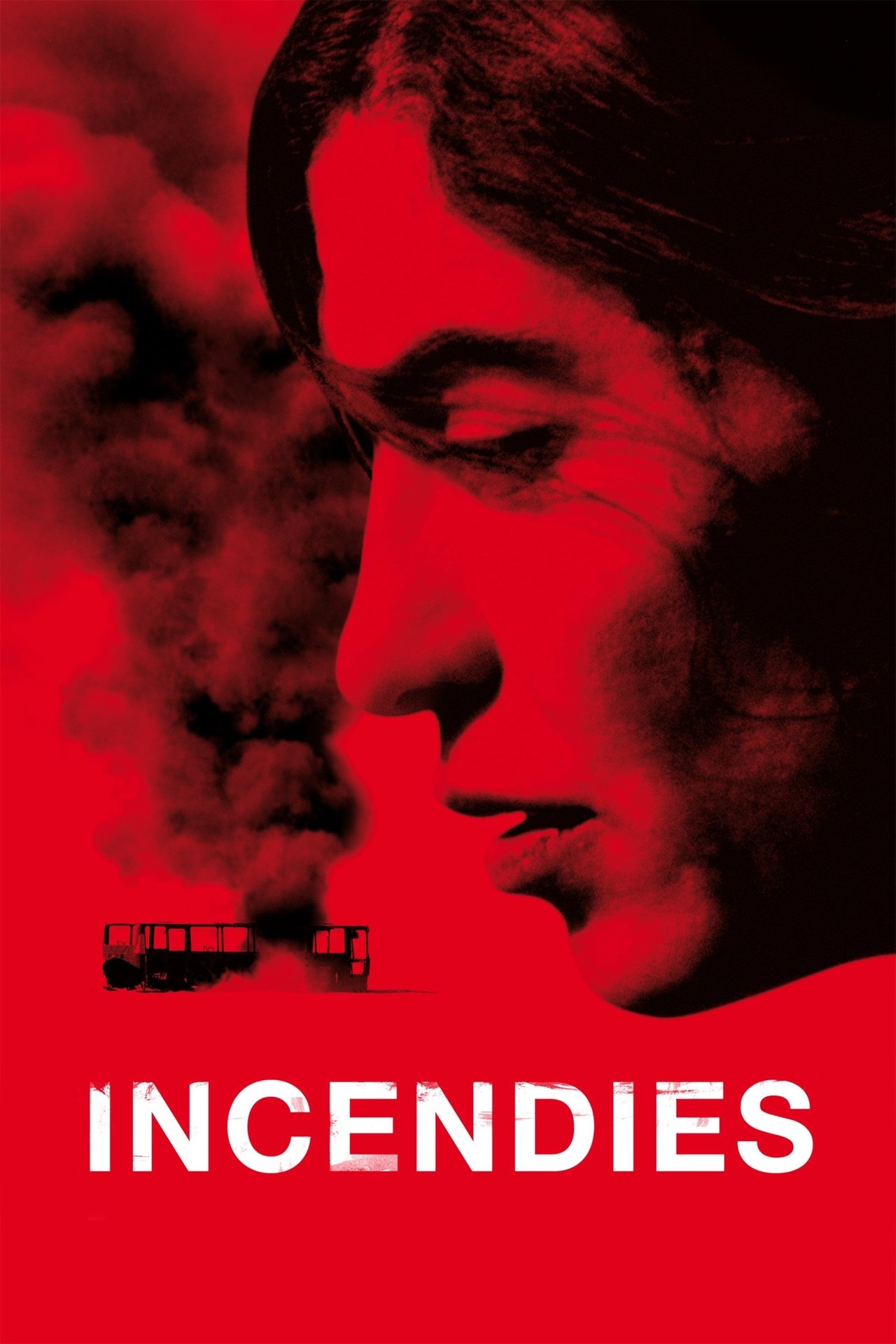
Incendies (2010)💧5.0/5(1)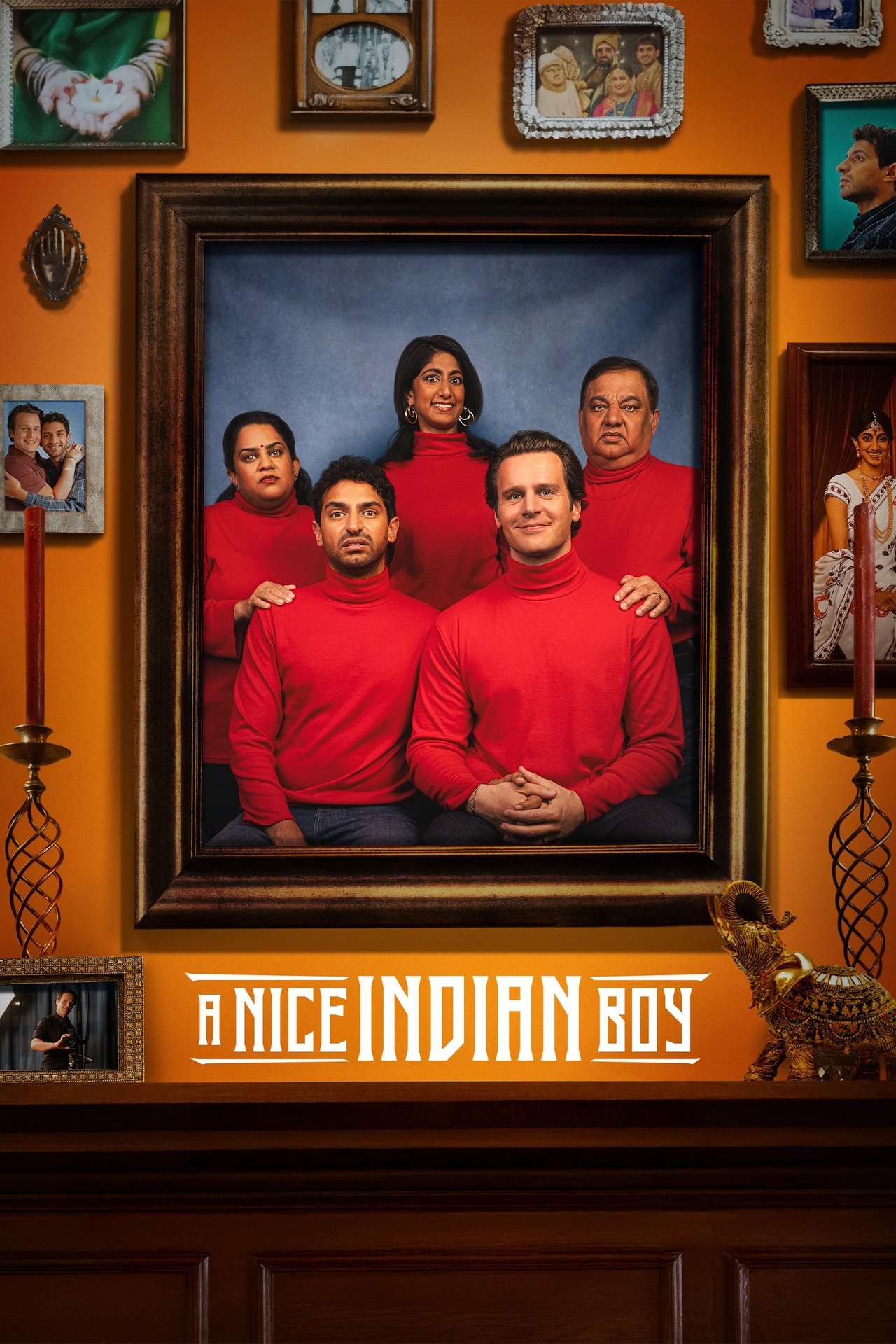
Seen it? Rate it
A Nice Indian Boy (2024)💧2.0/5(1)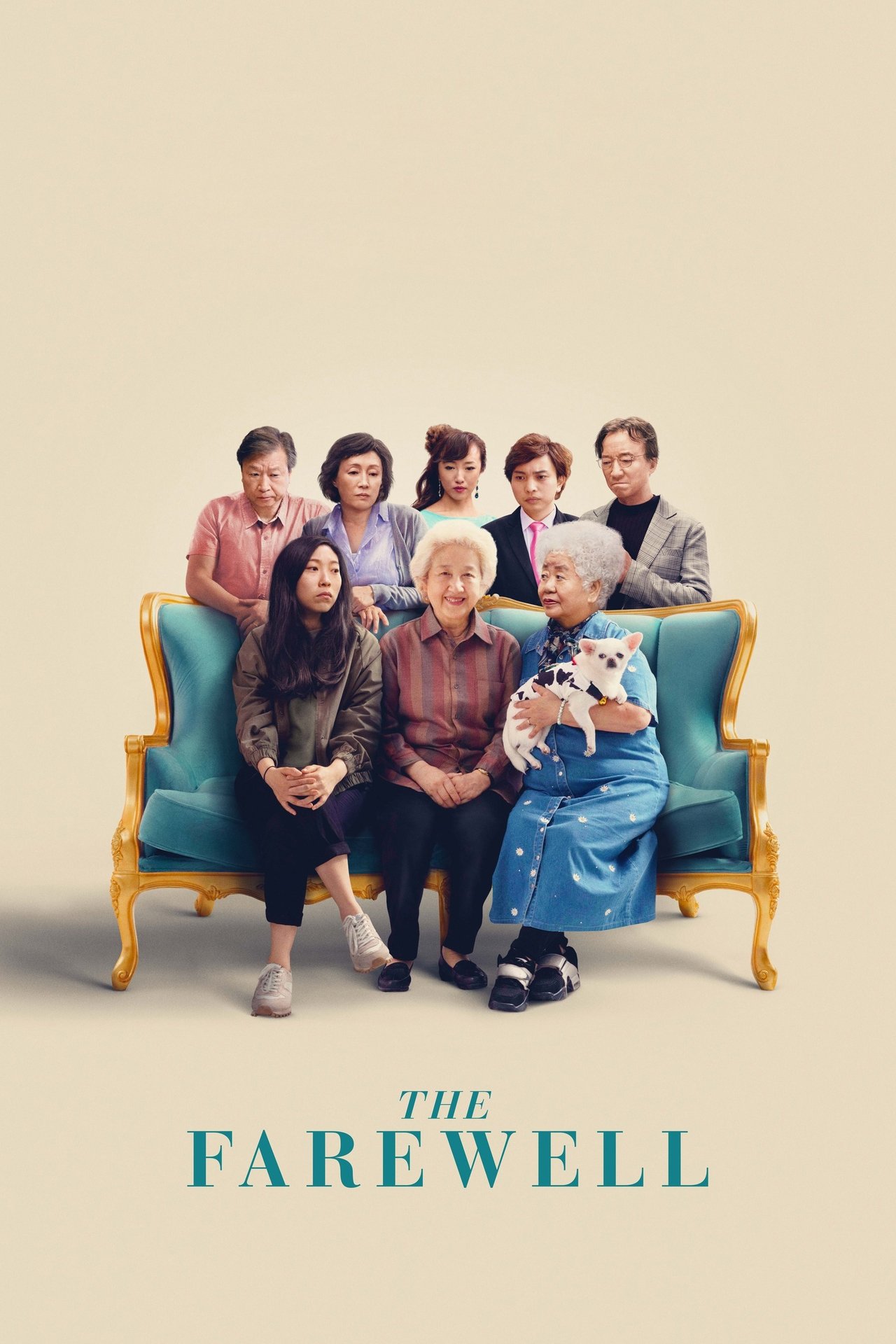
Seen it? Rate it
The Farewell (2019)💧1.0/5(2)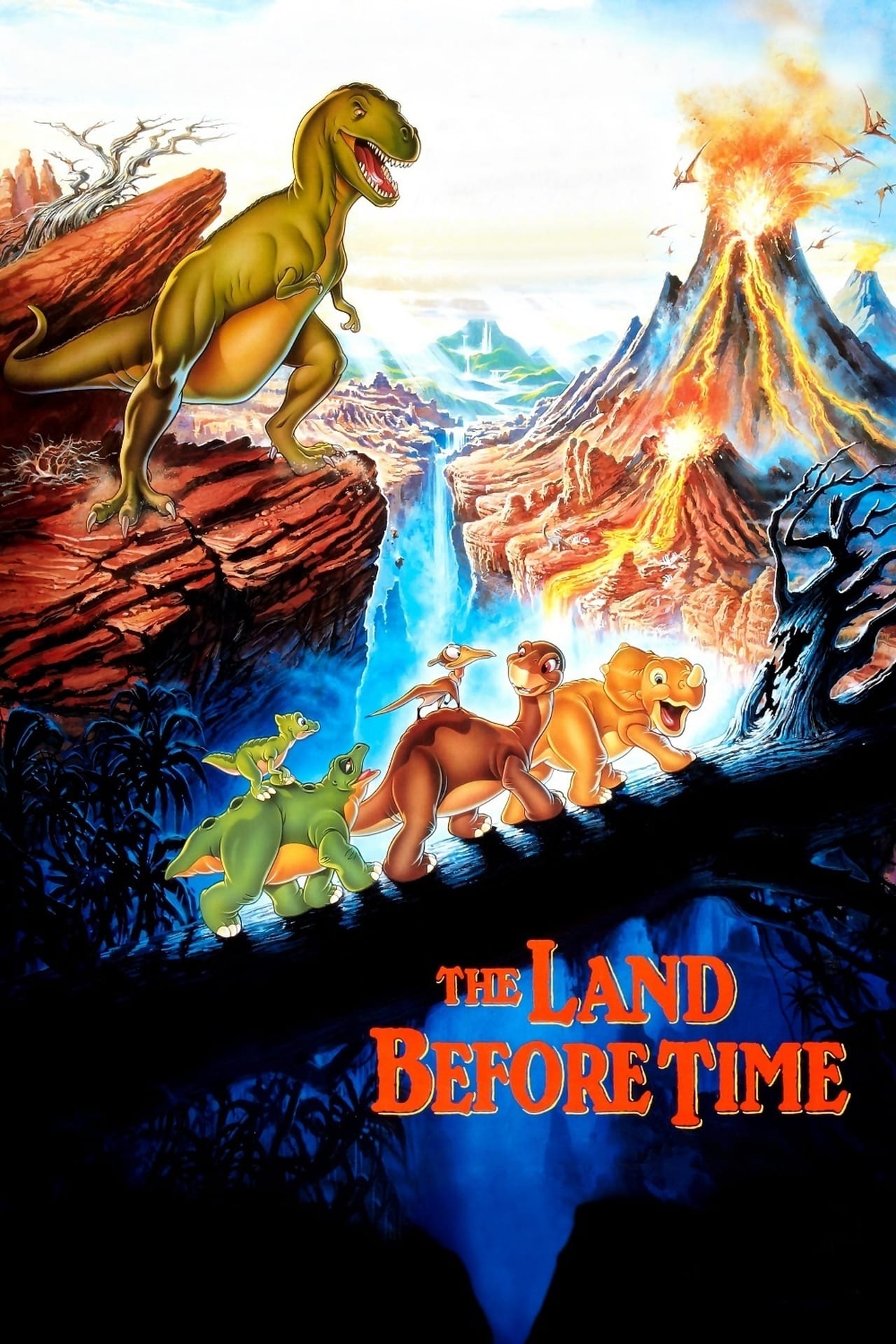
Seen it? Rate it
The Land Before Time (1988)💧3.0/5(2)
Seen it? Rate it
Dear You (2026)💧4.0/5(2)
Seen it? Rate it
Marley & Me (2008)💧3.0/5(1)- Suggest a Movie