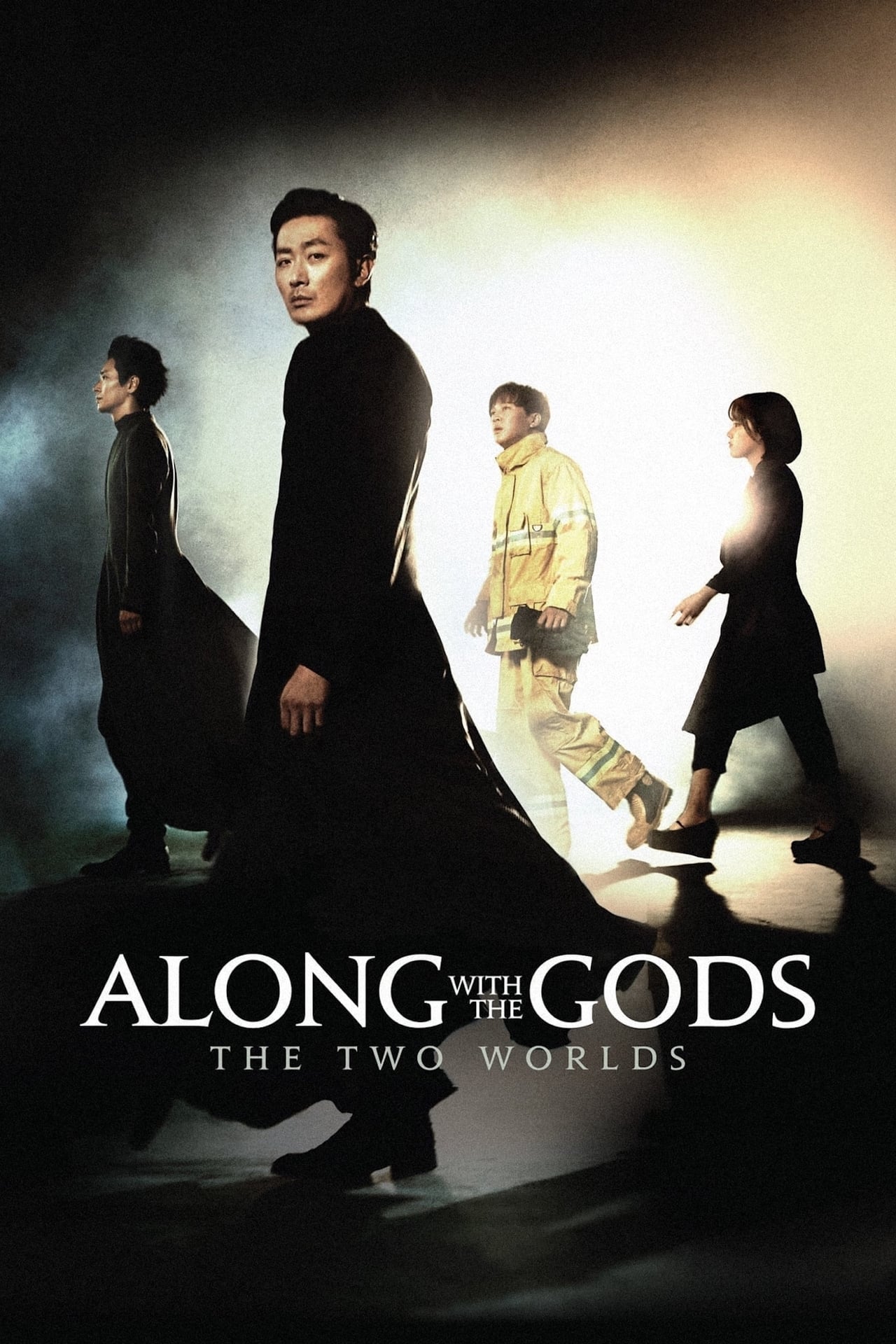
Korean cinema has a particular gift for emotional devastation. Where Hollywood sad movies tend to lean on big plot mechanics — terminal illness, tragic accidents, war — Korean tearjerkers more often build their power through the ordinary. A father visiting his daughter's grave. A grandfather sitting in silence with his grandson. A goodbye that everyone in the room knows is the last one. The grief feels lived-in in a way few other national cinemas can match.
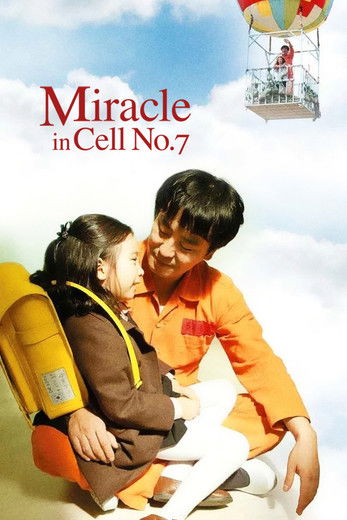
The films on this list span generations and registers. Miracle in Cell No. 7 (2013) is the closest to a mainstream tearjerker — a melodrama about a developmentally disabled father and his young daughter that became one of Korea's biggest cultural phenomena. Soulmate (2023) handles a decade of female friendship with the kind of patient, nostalgic ache that lingers for days after watching. My Love, Don't Cross That River (2014) is a documentary about an elderly Korean couple in their 90s — quiet, devastating, and one of the most popular indie documentaries in Korean history.
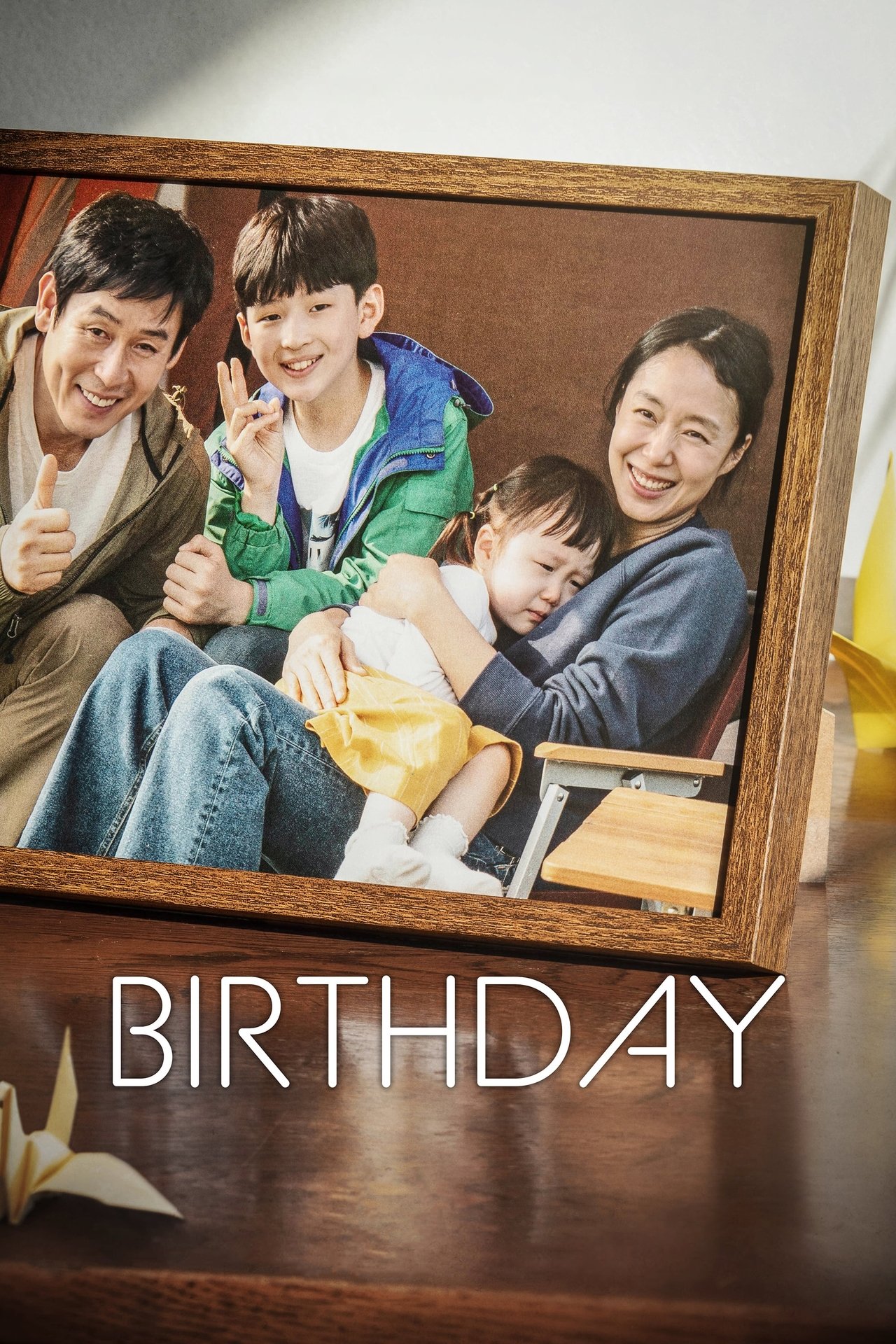
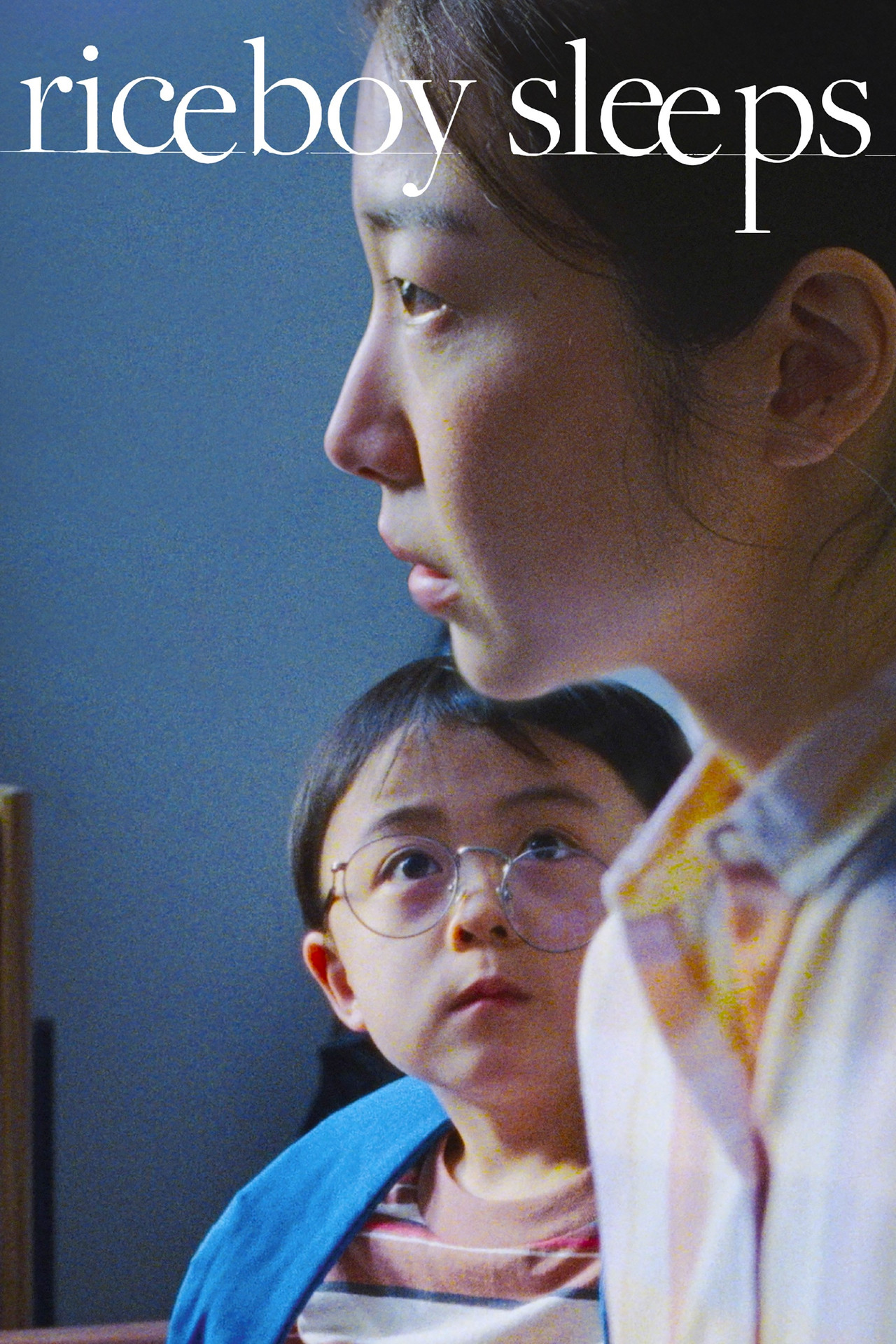
The harder, more austere entries here are also worth your time if you can handle them. Goryeojang (1963) — based on the legend of older relatives being abandoned in the mountains to die — is one of the most haunting movies you'll ever see. Birthday (2019) is about parents grieving their child years after the Sewol ferry disaster. Riceboy Sleeps (2022, Canadian-Korean) is a slow-burn film about a Korean immigrant single mother and her son that builds to a final scene most viewers describe as completely shattering.
What unites them is that Korean filmmakers seem to trust their audiences with grief. The films don't rush, don't manipulate with score, don't need a third-act monologue to make you feel something. They just stay with the moment. If you've never explored Korean dramatic film, any of the featured picks below is a strong entry point — and several are streaming with English subtitles on major US platforms.
Frequently Asked Questions
- What makes Korean films particularly emotional?
- Korean filmmakers tend to trust their audiences with grief — the films don't rush, don't over-score, and don't manipulate. The result is sadness that feels earned rather than engineered. Cultural emphasis on family duty and intergenerational obligation also gives Korean dramas a specific emotional register. The combination of emotional restraint with deep cultural weight is part of why Korean drama has become one of the most globally exported sad-cinema traditions of the last decade.
- Are these all in Korean with subtitles?
- Yes — most Korean films are in Korean with English subtitles available on major streaming services (Netflix, Tubi, Amazon Prime, Viki). Riceboy Sleeps is partly in English (Canadian-Korean co-production). Subtitles aren't a barrier for any of the recommendations on this list — most viewers report not noticing them after the first 10 minutes.
- Which Korean tearjerker is the best entry point if I'm new?
- Soulmate (2023) is the most accessible — a clean, beautifully shot story of a friendship between two women across two decades, with a pacing that doesn't ask anything of you. Miracle in Cell No. 7 is more melodramatic but reliably wrecking, and its plot is easy to follow. Save Goryeojang for when you're ready for something heavier and more austere — it's a 1963 black-and-white film and not for casual watching.
- Where can I stream sad Korean movies?
- Korean dramatic films rotate frequently across Tubi (great for older Korean classics), Amazon Prime, and the smaller Korean-content platforms (Viki, Kocowa, Kanopy via library card). Several documentaries like My Love, Don't Cross That River are sometimes available on YouTube with paid rental. Click through to any movie page above for current platform info.