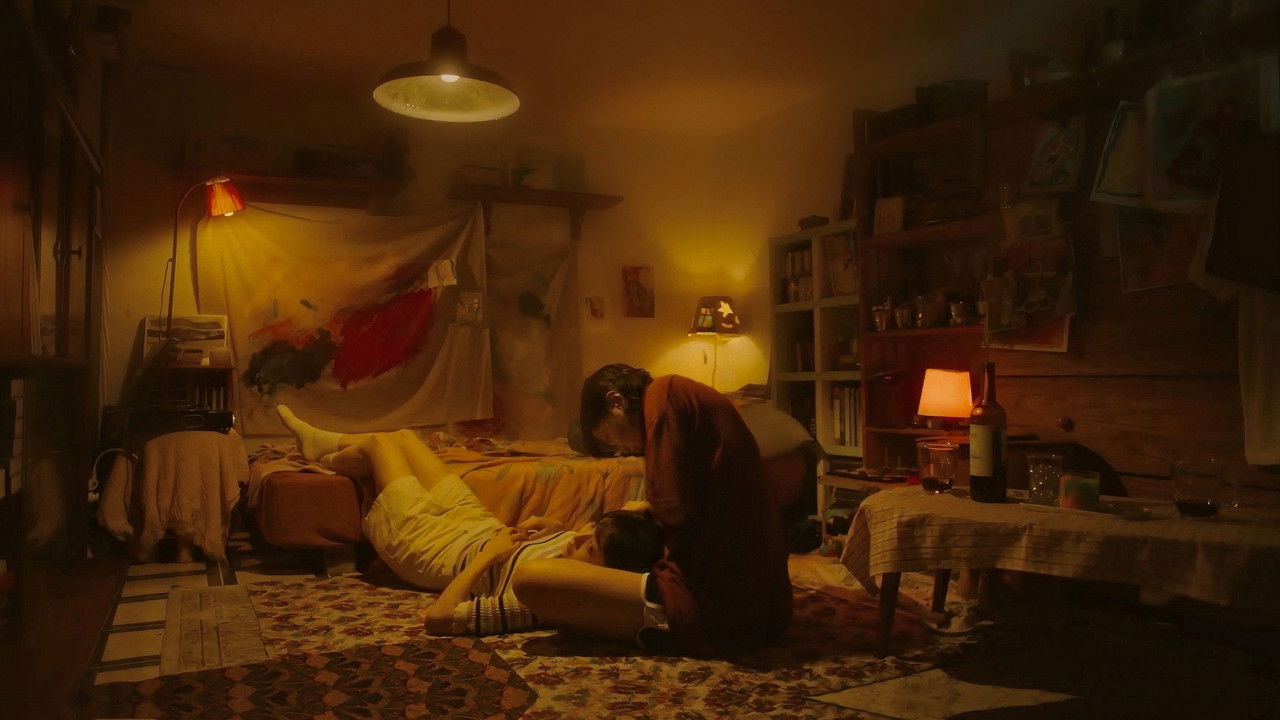

When Mi-so and Ha-eun first meet in childhood, their lives become instantly intertwined, forming a bond surrounded by happiness and naivety. But as adulthood arrives, alone and together, they are forced to deal with sadness, anger, grief, growth, and most of all, love.
Will Soulmate make you cry?
People often expect Soulmate to be a relationship drama, but many viewers describe it more as a goodbye movie. The emotional impact tends to come less from dramatic moments and more from watching ordinary time slowly run out.
Read the full write-up on SoulmateWhat Others Are Saying
I kept waiting for the big sad moment and then realized the whole movie was it.
— Letterboxd review
It hurts because nothing dramatic happens — it just feels real.
— Reddit: r/movies
The quiet conversations broke me more than anything else.
— Letterboxd review
I cried on the drive home.
— Reddit discussion
One of those movies where you don’t sob but you can’t stop crying.
— Letterboxd review
How sad is Soulmate (2023) and will it make you cry?
People often expect Soulmate to be a relationship drama, but many viewers describe it more as a goodbye movie. The emotional impact tends to come less from dramatic moments and more from watching ordinary time slowly run out.
The film spends a long time letting conversations breathe — jokes, disagreements, comfortable silence — which makes the sadness feel grounded rather than heightened. A common reaction is not crying immediately, but feeling a growing awareness of what’s coming. Instead of surprise, viewers often describe dread.
Many reactions mention crying in waves rather than all at once. Some people say they held it together until the final conversations, while others report tearing up repeatedly once the reality of the situation becomes unavoidable. The sadness is frequently described as gentle but persistent.
A lot of viewers say the movie stays with them afterward because it mirrors real experiences: not dramatic loss, but time passing and people trying to act normal when they know things are ending.
Potential spoilers below
The following sections may reveal plot details.
Potential Soft Spots
- Saying goodbye to a friend
- Facing mortality calmly
- Avoiding difficult conversations
- Spending ordinary days together
- Acceptance instead of fighting
- The fear of being left behind
What People Are Saying
"I kept waiting for the big sad moment and then realized the whole movie was it."
"It hurts because nothing dramatic happens — it just feels real."
"The quiet conversations broke me more than anything else."
"I cried on the drive home."
"One of those movies where you don’t sob but you can’t stop crying."
Behind the Scenes & Cultural Impact
- The film’s restrained tone is often cited as why audiences connect to it — grief is portrayed through everyday interaction instead of major plot events.
- Viewer discussions frequently center around how realistic the conversations feel compared to typical illness dramas.
- Many people share personal stories after watching, especially about spending normal time with loved ones near the end of life.
- The movie is often recommended in online discussions about realistic portrayals of saying goodbye.
Soulmate is on these lists
More Sad Movies Like Soulmate

Seen it? Rate it
Suncoast (2024)💧—/5
Seen it? Rate it

Seen it? Rate it
Paddleton (2019)💧—/5
Seen it? Rate it
Beaches (1988)💧—/5
Seen it? Rate it

Seen it? Rate it

Seen it? Rate it
Boyhood (2014)💧—/5- Suggest a Movie