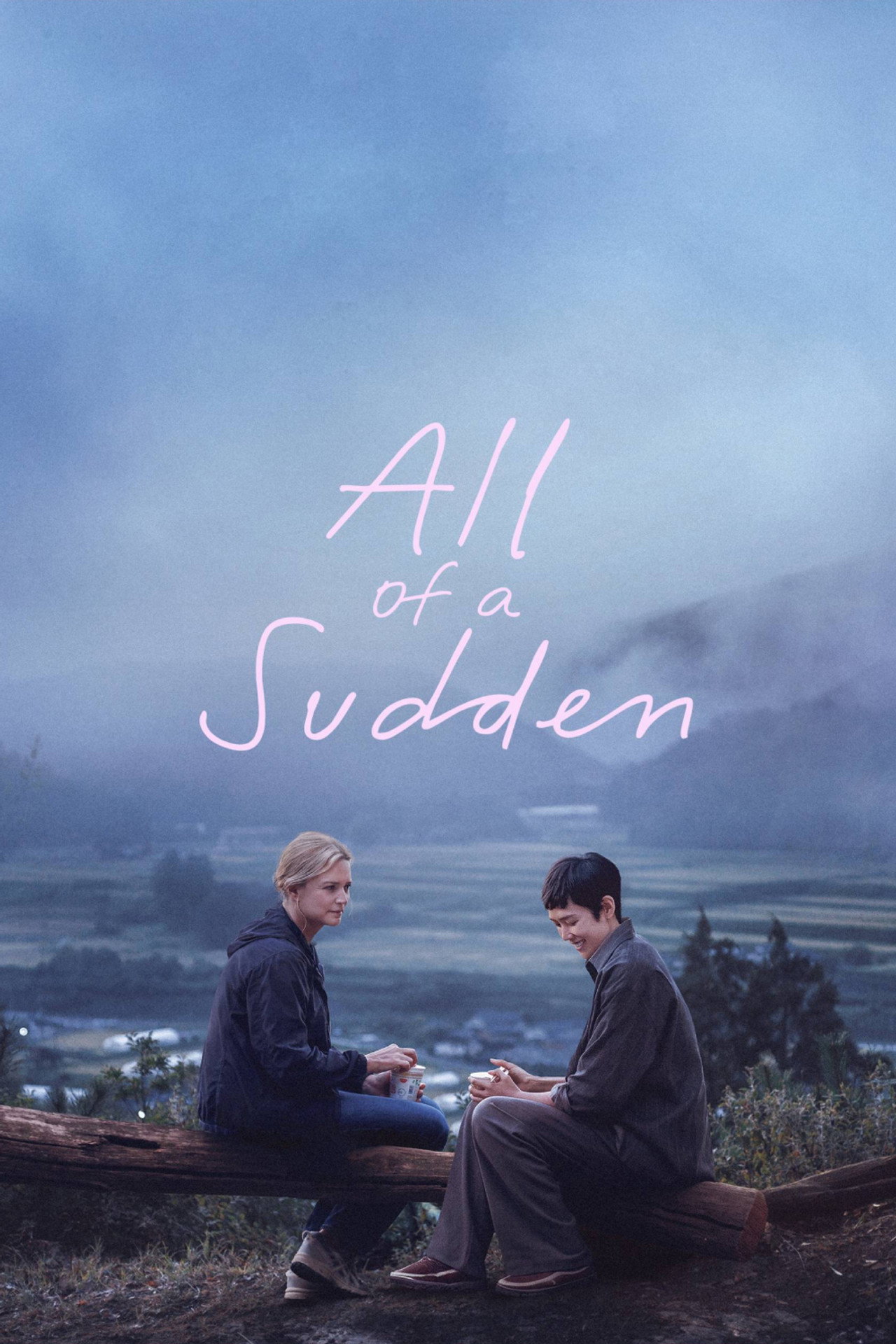
Japanese sad movies cover a wider emotional range than most national cinemas. The same country that made the most devastating animated film ever (Grave of the Fireflies) also made the canonical quiet family drama (Tokyo Story), the most life-affirming meditation on terminal illness (Ikiru), and a string of slow-burn modern dramas about grief, family, and time that critics consistently rate among the best films ever made (Shoplifters, Still Walking, Nobody Knows).
The dean of contemporary Japanese sadness is probably Hirokazu Kore-eda — his films Shoplifters, Still Walking, and Nobody Knows all show families navigating quiet tragedies that build slowly across the runtime. There's no obvious cathartic release. You leave the film carrying it. Yasujiro Ozu's Tokyo Story (1953) operates in similar territory: an aging couple visits their grown children in postwar Tokyo and slowly realizes they've become an inconvenience. It's a movie about how families fail each other in slow, undramatic ways.
On the other end of the register, Akira Kurosawa's Ikiru (1952) is the rare sad film that ends with hope. A bureaucrat learns he's dying and decides, with the time he has left, to do one good thing. The final image — him on a swing in falling snow — is one of the most beautiful endings in film history.
Animation deserves its own paragraph. Studio Ghibli's deepest sadness comes from films like Grave of the Fireflies (Isao Takahata), Wolf Children (Mamoru Hosoda), and When Marnie Was There. Makoto Shinkai's Your Name and 5 Centimeters per Second handle grief and longing in a more romantic register. A Silent Voice (Naoko Yamada) takes both bullying and atonement seriously in a way few American films do.
If you're new to Japanese cinema, Tokyo Story or Shoplifters are the easiest entry points. Want a guaranteed cry? Grave of the Fireflies. Want to feel something redemptive? Ikiru. The full grid below has 20+ films — pick by mood.
Frequently Asked Questions
- What's the difference between sad anime and sad live-action Japanese films?
- Anime tends toward heightened emotional registers — explicit grief, romantic longing, sweeping musical climaxes. Live-action Japanese drama (Ozu, Kore-eda) tends toward the opposite: quiet observation, restrained performance, sadness that builds across long unbroken takes. Both registers work; they just demand different kinds of attention. This category includes both, since search-volume data shows people often want either one.
- Are these all subtitled?
- Yes — all Japanese films available in the US come with English subtitles on streaming. Older classics like Tokyo Story and Ikiru also have well-regarded English-dubbed versions if you prefer, though the original Japanese audio is recommended for emotional fidelity. Subtitles are barely noticeable after the first 10 minutes for most viewers.
- Which Japanese film should I start with?
- Tokyo Story (1953) is the canonical entry point — quiet, beautifully observed, completely accessible despite its age. Shoplifters (2018) is the modern equivalent and won the Palme d'Or. For animation, Spirited Away if you've never seen any anime, or Grave of the Fireflies if you're emotionally prepared. Skip Goryeojang for now — that's the heaviest Korean entry, not Japanese.
- Where can I stream sad Japanese movies?
- Most Japanese classics (Ozu, Kurosawa) are on the Criterion Channel — the best single subscription for Japanese cinema overall. Anime films from Studio Ghibli are widely available on HBO Max. Modern Japanese drama (Kore-eda films, etc.) rotates through Tubi, Amazon Prime, and Kanopy (free with library card). Click through to any movie page for current info.