Movies That Made Us Cry as Kids (And Still Do)
There is a specific kind of emotional scar that only a childhood movie can leave. You were seven years old. You were eating cereal on the couch. You thought you were watching a fun cartoon. And then the movie did something unforgivable.
These movies didn't just make us cry once. They imprinted themselves on our nervous systems. You can be decades older, fully aware of what's coming, and still feel your throat close up the second the music shifts or a certain line is spoken. That's the power of a well‑placed childhood gut punch.
Below are the movies that wrecked us then and still wreck us now—why they hit so hard, the exact moments that broke us, and why those scenes still work even when we know every frame by heart.
The Lion King (1994) — The Original Childhood Trauma
Mufasa's death in The Lion King is the single most traumatic movie moment for an entire generation of children.
You think you're signing up for a fun animal musical. There's singing, there's dancing, there's a wisecracking bird. And then suddenly you're watching a father sacrifice himself for his child, a child blame himself for it, and a villain weaponize that guilt.
The scene is brutal in its simplicity:
- The stampede: chaos, dust, and that sick feeling that something is about to go very wrong.
- Mufasa's fall: one slip, one betrayal, and it's over.
- Simba nudging his father's body, whispering, "Dad? We gotta go home."
There's no softening, no cutaway, no magical fix. The movie lets you sit in the silence of loss. For many kids, this was the first time they saw death portrayed as permanent and unfair. Watching it as an adult, it hits even harder because you understand the weight of what Simba carries for the rest of his life.
Up (2009) — Four Minutes of Perfection

Up earns a special place because the emotional destruction happens in the first ten minutes.
You barely know Carl and Ellie, and yet by the end of the "Married Life" montage, you feel like you've lived an entire lifetime with them. Pixar compresses decades of love, disappointment, and quiet joy into a wordless sequence:
- The playful beginning: two kids with shared dreams of adventure.
- The small domestic moments: painting the nursery, fixing the house, saving coins in a jar.
- The heartbreaks: the hospital scene, the realization they can't have children, the constant postponing of their dream trip.
- The final goodbye: Carl alone at the funeral, then alone in the house that suddenly feels too big.
It's devastating because it's so ordinary. There's no villain, no big twist—just time, aging, and the reality that sometimes life doesn't give you the adventures you planned. As a kid, you feel the sadness. As an adult, you recognize your parents, your grandparents, or your own relationship in those four minutes.
Bambi (1942) — The One That Started It All
Bambi's mother getting shot is the original childhood tearjerker.
Disney did not ease anyone into this. One moment you're watching a cute deer slip on the ice; the next, you're learning that "Man" is a force that can take away the person you love most without warning.
The scene is terrifying precisely because you don't see much:
- The gunshot echoes through the snow.
- Bambi runs, panicked, calling for his mother.
- The silence afterward is worse than any graphic image could be.
Then comes the line that stays with you forever: "Your mother can't be with you anymore." No explanation, no comforting lie. Just the reality that she's gone and he has to keep going.
As a child, it's your first cinematic lesson in grief and danger. As an adult, you see the cruelty of that moment through a parent's eyes—the fear of not being able to protect your child, and the horror of them having to face the world without you.
My Girl (1991) — He Can't See Without His Glasses

My Girl committed one of the most shocking emotional ambushes in family movie history.
You think you're watching a sweet coming‑of‑age story about a quirky girl and her best friend. Then Thomas J. goes into the woods, and everything changes.
The funeral scene is the one that breaks everyone:
- Vada approaches the casket, not fully understanding what she's about to see.
- She sees Thomas J.'s face and immediately notices what's missing: "He can't see without his glasses."
- She tries to put his glasses on him, as if that small act could bring him back.
It's unbearable because it captures a child's raw, unfiltered grief. There's no adult language, no philosophical acceptance—just confusion, denial, and the desperate urge to fix the unfixable.
Watching it now, the scene is even more painful. You understand the finality of death, the tragedy of a life cut short, and the way childhood innocence can be shattered in a single afternoon.
Coco (2017) — A New Generation's Tearjerker
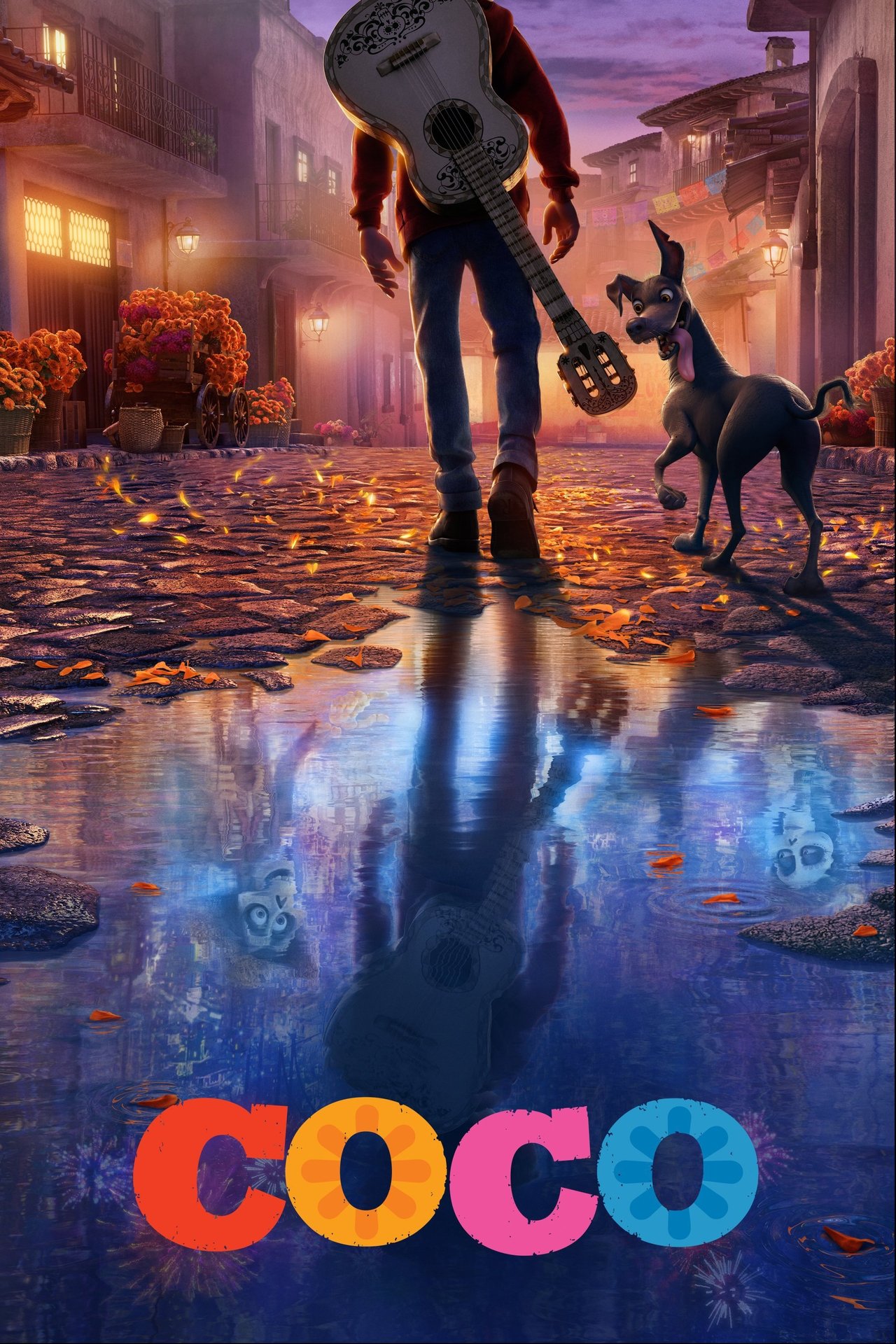
Coco is the movie that made a new generation cry the way The Lion King made millennials cry.
On the surface, it's a colorful celebration of Día de los Muertos, music, and family. Underneath, it's a story about memory, legacy, and what it means to truly lose someone.
The emotional core is the "Remember Me" scene with Mamá Coco:
- Miguel sings the song her father wrote for her when she was a child.
- At first, she seems lost in her own mind, unreachable.
- Slowly, the music pulls her back, and she begins to sing along.
The tears come from the realization that memory is a fragile thread holding our loved ones to us. For kids, it's a powerful story about family and love. For adults, especially those who've watched a loved one fade due to age or illness, it's almost too real.
The film's idea of the "final death"—when no one alive remembers you anymore—is quietly devastating. It turns a bright, musical adventure into a meditation on how we live on in the people who remember us.
The Land Before Time (1988) — Littlefoot's Mother
Before Mufasa, there was Littlefoot's mother.
The Land Before Time looks like a simple dinosaur adventure, but it's secretly one of the most emotionally brutal kids' movies ever made.
The key scene is burned into the brain of anyone who saw it young:
- The storm and the Sharptooth attack leave Littlefoot's mother gravely injured.
- She uses the last of her strength to protect him.
- After she dies, Littlefoot wanders through the fog, calling for her, refusing to accept that she's gone.
The moment he curls up next to her footprint, sobbing, is almost unbearable. It's grief in its purest form: a child who has lost their entire world.
As an adult, you see the layers you missed as a kid—the way the film quietly explores loneliness, resilience, and the idea of found family. Littlefoot's journey isn't just about finding the Great Valley; it's about learning how to keep going when the person who loved you most is no longer there.
E.T. the Extra-Terrestrial (1982) — Saying Goodbye
E.T.'s farewell scene is one of the great emotional moments in cinema history.
The movie builds a deep, wordless bond between a lonely boy and an even lonelier alien. By the time the spaceship returns, you're not just watching a sci‑fi story—you're watching a friendship being torn apart.
The goodbye is devastating because of its simplicity:
- E.T. touches Elliott's forehead and says, "I'll be right here."
- The glowing heart, the tearful faces, the sense that childhood itself is lifting off into the sky.
As a kid, you feel the pain of losing your best friend. As an adult, the scene becomes a metaphor for every goodbye you didn't want to say—moving away, growing up, losing touch, or losing someone entirely.
The film never mocks that emotion or undercuts it with a joke. It treats a child's heartbreak as something real and worthy of respect, which is exactly why it lingers.
Why These Movies Still Make Us Cry
The movies that made you cry as a kid still work because they are not really "children's movies." They are movies about universal human experiences told with clarity and honesty.
They don't talk down to kids. They don't flinch away from death, grief, or the fear of being left behind. Instead, they translate those enormous feelings into images and moments a child can understand:
- A lion cub nudging his father's body.
- A widower sitting alone in his armchair.
- A girl begging her best friend to put on his glasses.
- A boy singing a song to pull his great‑grandmother back from the edge of forgetting.
As adults, we bring more context, more loss, and more lived experience to these scenes, which only makes them hit harder. The animation may look older, the clothes may be dated, the special effects may show their age—but the emotions are timeless.
These are the movies that taught us, often before we had the words for it, that love and loss are inseparable. That saying goodbye hurts because what came before it mattered. And that sometimes the stories that broke our hearts as kids are the ones that help us survive heartbreak as adults.
So if you rewatch any of these and find yourself ugly crying on the couch again, decades later—that's not regression. That's proof that the movies did exactly what they were meant to do: help you feel something true, and remember it for the rest of your life.