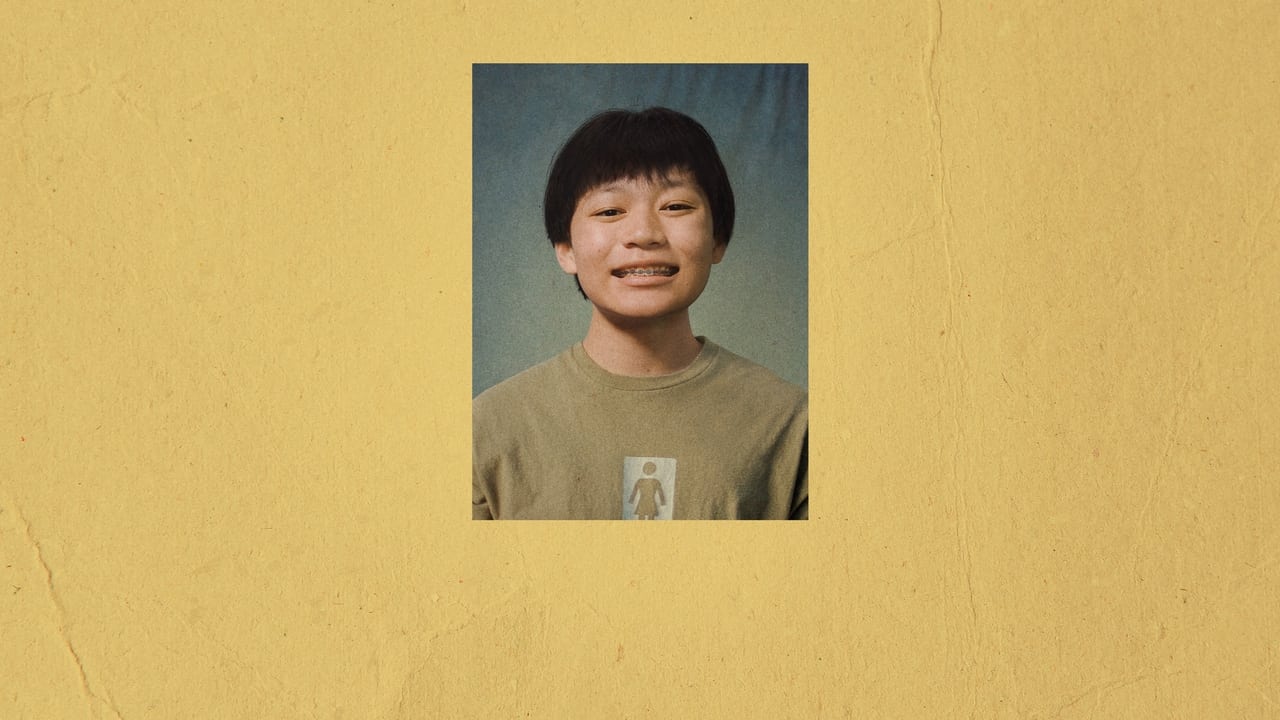
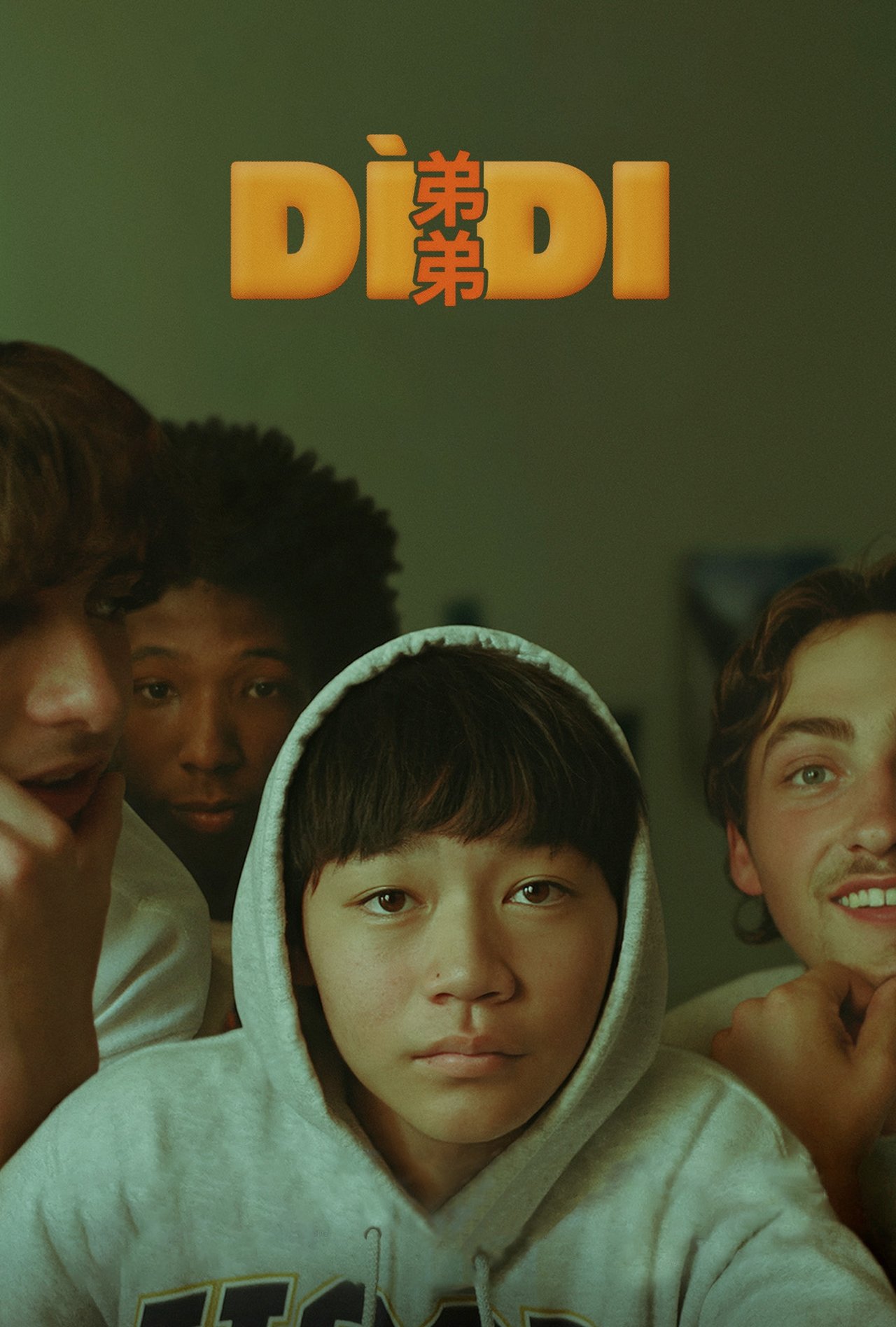
In 2008, during the last month of summer before high school begins, an impressionable 13-year-old Taiwanese American boy learns what his family can't teach him: how to skate, how to flirt, and how to love your mom.
Will Dìdi (弟弟) make you cry?
A lot of people put on Dìdi when they want a warm, specific kind of emotional hit — the kind that feels like your own adolescence (or your own family) is tapping you on the shoulder. If you’re searching will Didi make you cry or is Didi a tearjerker, many viewer reactions say yes, but it’s not “sad nonstop” — it’s a bright, awkward ride that keeps catching people off guard.
Read the full write-up on Dìdi (弟弟)Didi is the movie I would want to make if I were a filmmaker of any kind and had the talent and vision of Sean Wang. But since I didn't make this film, I feel a sense of envy that I didn't get there first (*shakes fist at Sean Wang*), and I also feel this sense of obligation to evangelize this film amongst anyone who might care to understand who I am. I don't feel this way about all, not even most, and I think the reason that Didi evokes this flavor of obligation is because it makes me feel so utterly seen. For me, the first scene that "saw" me was the arguing at the family dinner table. There was a different cast of characters in my own life, and yet the oh-so-tense vibe was captured so accurately. My dinner table growing up was smaller than Didi's, without an angsty older sister or chiding grandma in the picture, but instead my mother played both the role of Didi's mother and the grandmother, and I was Didi at times and Vivian other times. What could've been a "normal", easygoing family supper would turn hostile so quickly. And, for what? I barely remember now, but I think arguments probably revolved around school or grades, but as a proxy for control, power, and independence. Becoming the viewer in my own past dinner scenes makes me empathetic towards my mother. God knows it wasn't easy raising me by herself. And it also makes me want to give my childhood self a little more grace, too. And then there's the AIM chats, MySpace, Facebook — the internet of the aughts was a big part of my personal coming of age story. My sense of self was created on the internet through stating my music tastes, my favorite quotes, my clique of friends, and all of the unhinged things we'd post of each other's walls. I was never into skateboarding culture like Didi, but I know what being new in a friend group can feel like. I reveled in nostalgia the entire 91 minutes of the film, remembering what it was like fumbling into my first friendships and first crushes. I think that as an adult, we fall into this trap of thinking that everything was more simple when we were younger, but then Didi reminded me that actually the act of growing up certainly didn't feel simple; I don't think anything felt easy or simple at the time it was happening. My movie made me recall how unbearably awkward I was as a teen, and it makes me wonder if my adulthood is really any different. Will I look back when I'm 60, thinking that 30 was awkward too? Will my entire existence be awkward, and if so I should probably come to terms with that sooner rather than later. Anyway, Didi was so humorously relatable, but that's not what made the experience special for me. What's special is that it went beyond relatability and also felt healing, especially when it came to Didi and his mom's relationship. The movie didn't just depict the domestic hardships and social pressures in Didi's mom's life. Being an immigrant mother is hard, and there are plenty of words lost in translation between them, but I appreciated that the mother was depicted as so much more than just an immigrant mother. We saw glimpses of her dreams, and ultimately, I think it's someone's dreams that make them human and whole. It reminded me that my own mother isn't just my mother, but also another person with her own past before she became a mother, and a person with dreams I didn't understand as a kid. I felt as though Didi's mom could be my mother, speaking to me through the silver screen, perhaps with words I didn't pay attention to, and that's what moved me the most.
Didi is the movie I would want to make if I were a filmmaker of any kind and had the talent and vision of Sean Wang. But since I didn't make this film, I feel a sense of envy that I didn't get there first (*shakes fist at Sean Wang*), and I also feel this sense of obligation to evangelize this film amongst anyone who might care to understand who I am.
What Others Are Saying
I cried multiple times… I nearly cried every time she was onscreen.
— Letterboxd — Marshall 🧸
It made me laugh, it made me cringe, it made me cry…
— Letterboxd — Birithivy
Dìdi made me cackle, cry, and wince a whole lot.
— Letterboxd — Sophie Holsinger
Joan Chen made me cry.
— Letterboxd — David Chen
I cried multiple times, especially the last 30 minutes.
— Reddit — r/movies
How sad is Dìdi (弟弟) and will it make you cry?
A lot of people put on Dìdi when they want a warm, specific kind of emotional hit — the kind that feels like your own adolescence (or your own family) is tapping you on the shoulder. If you’re searching will Didi make you cry or is Didi a tearjerker, many viewer reactions say yes, but it’s not “sad nonstop” — it’s a bright, awkward ride that keeps catching people off guard.
One common refrain is that the movie’s tenderness starts sneaking in early on, then tightens midway, and a lot of people mention crying most in the final 30 minutes. The cry descriptions are often less “devastated” and more “nostalgic and cracked open,” especially around mom stuff — the kind of watch that makes people want to text or call someone afterward.
Potential spoilers below
The following sections may reveal plot details.
Potential Soft Spots
- Feeling embarrassed by your family
- Wanting to fit in (and failing)
- Friends leaving you behind
- Missing your mom while living with her
- Nostalgia for being 13 (in a painful way)
What People Are Saying
"I cried multiple times… I nearly cried every time she was onscreen."
"It made me laugh, it made me cringe, it made me cry…"
"Dìdi made me cackle, cry, and wince a whole lot."
"Joan Chen made me cry."
"I cried multiple times, especially the last 30 minutes."
Behind the Scenes & Cultural Impact
- The movie used Sean Wang’s real mom’s paintings, and she was on set advising Joan Chen on her experience — a detail people point to when they say the mom feels “real.” Focus Features interview
- Vulture highlighted how the final moment was built around a wordless, tear-brimmed look between mother and son — and how carefully they pored over that feeling. Vulture
- In an ELLE interview, Sean Wang described the film as a “love letter to immigrant moms,” rooted in his real relationship with his mother — which matches why so many reactions center on “mom” as the emotional trigger. ELLE
- That “call your mom” aftertaste has basically become part of the movie’s reputation — people bring it up as the thing they didn’t expect from a teen coming-of-age story. ELLE
- Threads and comments about the film frequently frame the cry as nostalgic and familial rather than purely sad — especially people who recognize the 2008 teen internet era and the parent/kid friction that comes with it. Reddit — r/movies
More Sad Movies Like Dìdi (弟弟)
Seen it? Rate it
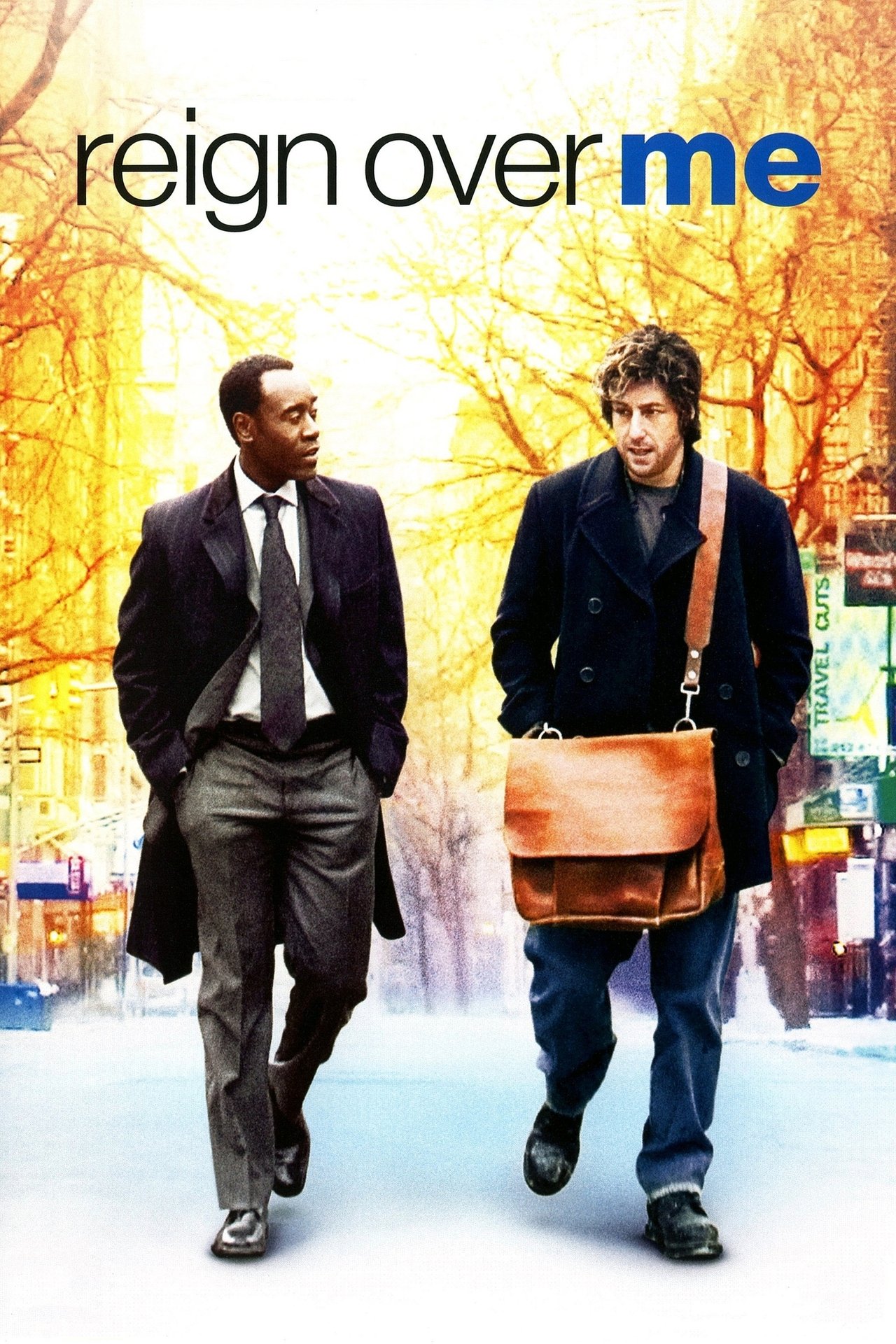
Reign Over Me (2007)💧5.0/5(1)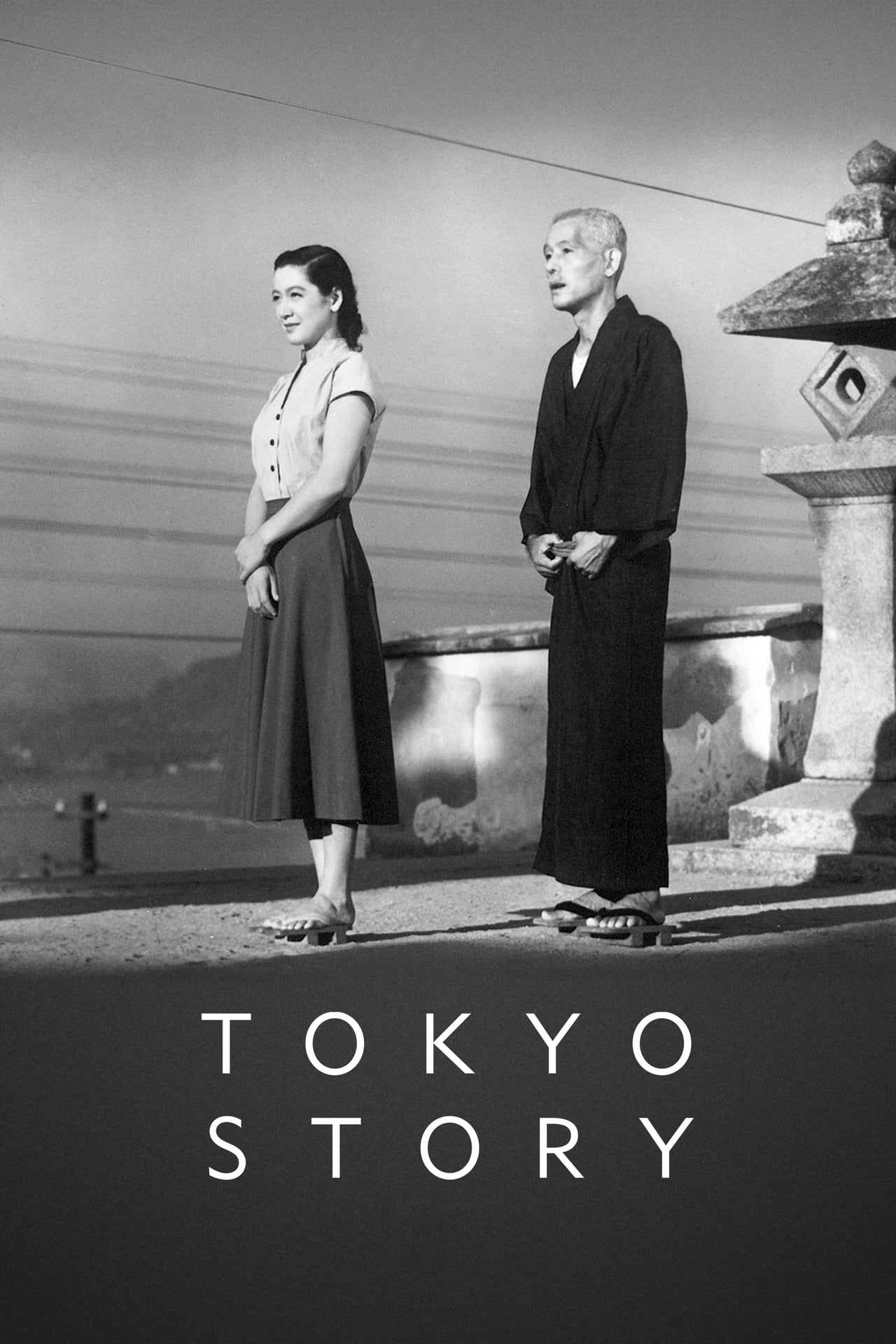
Seen it? Rate it
Seen it? Rate it
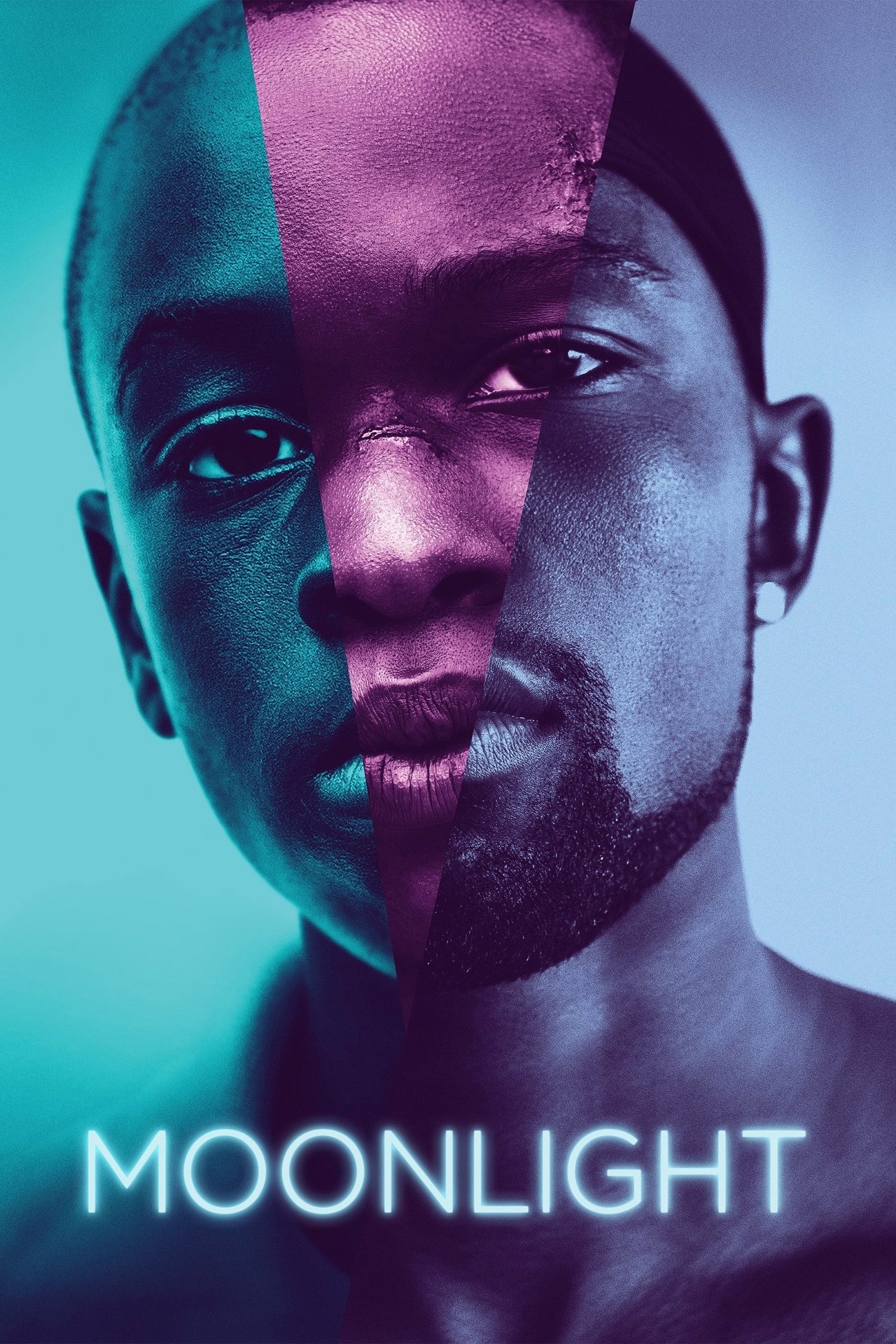
Moonlight (2016)💧3.5/5(2)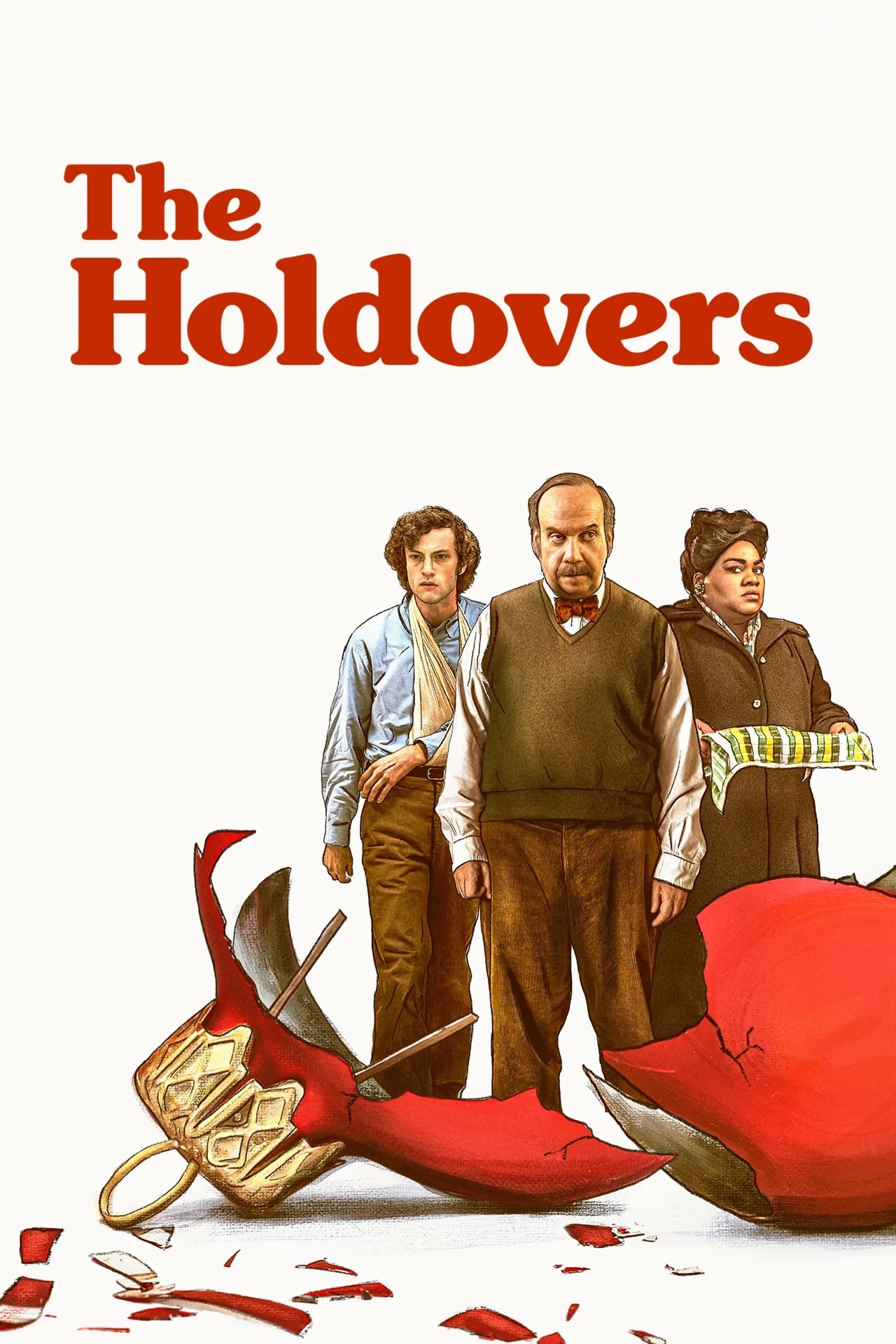
Seen it? Rate it
The Holdovers (2023)💧1.0/5(2)
Seen it? Rate it

Seen it? Rate it
All the Bright Places (2020)💧3.8/5(4)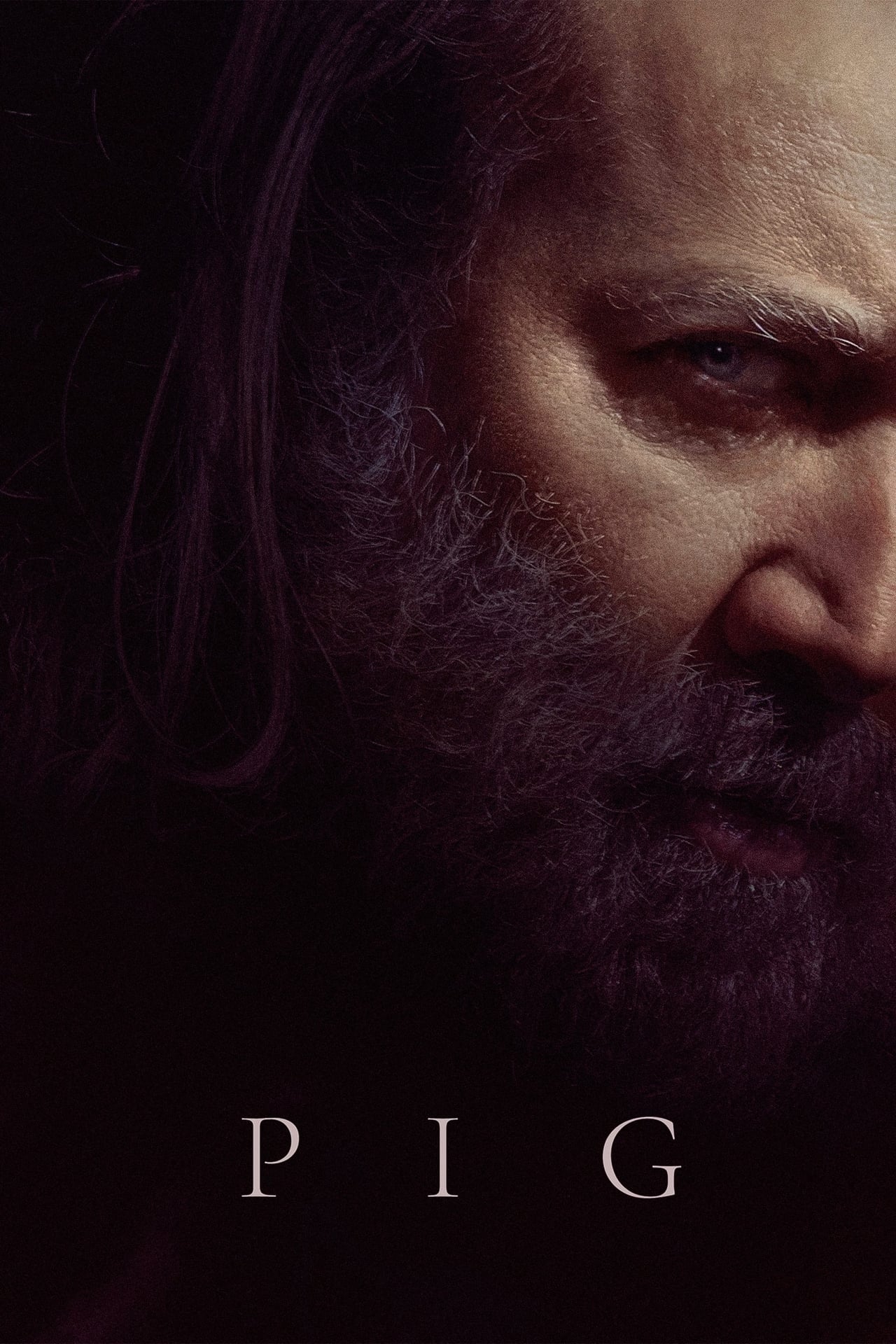
Seen it? Rate it
Pig (2021)💧—/5- Suggest a Movie