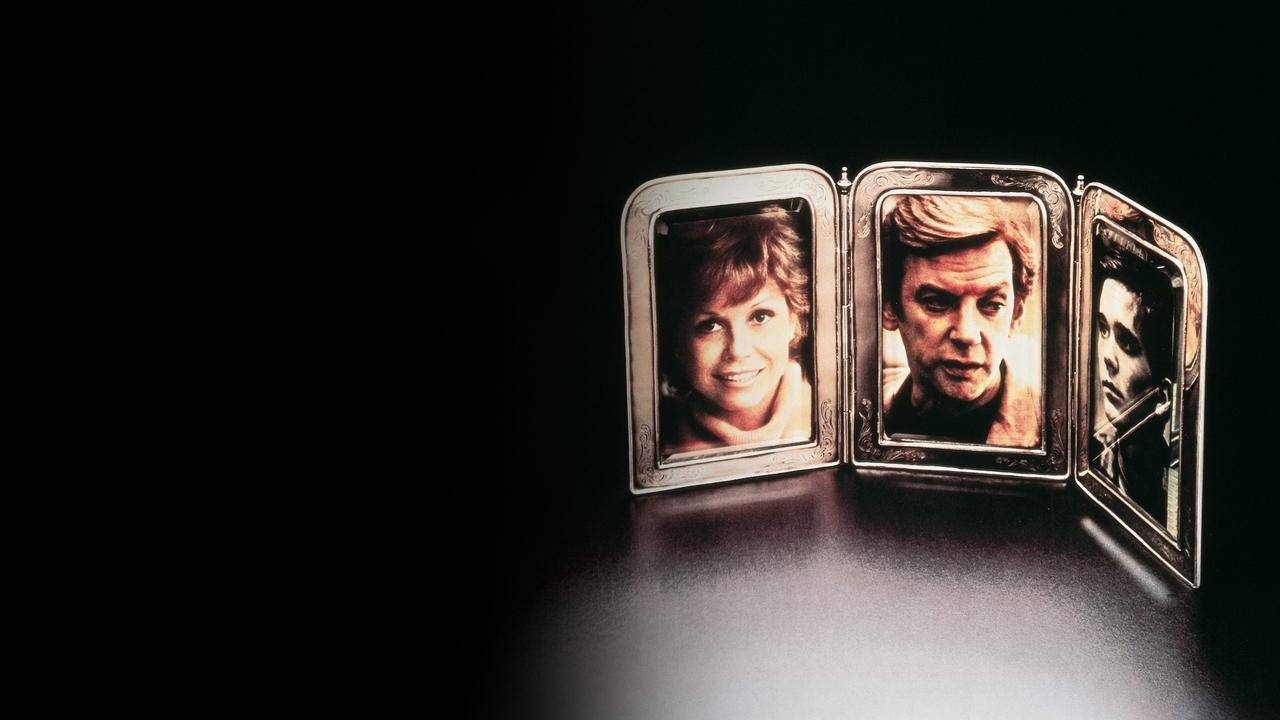

Beth, Calvin, and their son Conrad are living in the aftermath of the death of the other son. Conrad is overcome by grief and misplaced guilt to the extent of a suicide attempt. He is in therapy. Beth had always preferred his brother and is having difficulty being supportive to Conrad. Calvin is trapped between the two trying to hold the family together.
Will Ordinary People make you cry?
Ordinary People is very sad, and the death that causes it has already happened when the film opens. The Jarretts, a well-off family in Lake Forest, Illinois, have lost their older son Buck in a sailing accident. Their younger son Conrad is just home from four months in a psychiatric hospital after a suicide attempt.
Read the full write-up on Ordinary People💧
No stories yet
Be the first to share how this movie made you feel.
How sad is Ordinary People and will it make you cry?
Ordinary People is very sad, and the death that causes it has already happened when the film opens. The Jarretts, a well-off family in Lake Forest, Illinois, have lost their older son Buck in a sailing accident. Their younger son Conrad is just home from four months in a psychiatric hospital after a suicide attempt.
What follows is a family trying to act normal and failing. Conrad sees a psychiatrist, his father tries to keep the peace, and his mother keeps up appearances and keeps her distance. The crying tends to come in two places: a late-night therapy session and the closing scenes. It is hardest on people who felt like the less-loved child, on parents who have lost a son or daughter, and on anyone who survived something a sibling did not.
Potential spoilers below
The following sections may reveal plot details.
Potential Soft Spots
- Surviving an accident that your brother or sister did not
- A mother or father who could not show affection
- Feeling like the child your parents loved less
- Coming back to school after a psychiatric hospital stay
- A marriage that did not survive the death of a child
- Losing a friend you made in treatment
The Scenes That Get People
- The photograph. Before Christmas, Beth refuses to pose for a picture with Conrad, and he swears at her in front of his grandparents.
- The hospital. In a later argument over his quitting the swim team, Conrad says she never visited him in the hospital and would have come for Buck. Beth replies that Buck would never have been in the hospital.
- Karen. While his parents are in Houston, Conrad learns that Karen, a friend from the hospital, has died by suicide.
- The late session. That news sends him to Dr. Berger at night, and Berger gets him to stop blaming himself for Buck's death and to accept his mother's limits.
- Beth leaves. Conrad tries to show his mother affection and she does not respond. Calvin asks her whether she can love anyone. She packs and goes back to Houston, leaving father and son with each other.
Behind the Scenes & Cultural Impact
- It was Robert Redford's first film as a director, adapted by Alvin Sargent from Judith Guest's 1976 novel. Wikipedia
- It won four Academy Awards from six nominations: Best Picture, Best Director, Best Adapted Screenplay and Best Supporting Actor for Timothy Hutton, the youngest winner in that category at 20. Wikipedia
- Made for $6.2 million, it grossed about $90 million worldwide. Its use of Pachelbel's Canon brought a previously obscure piece into the mainstream. Wikipedia
Frequently Asked Questions
Is Ordinary People sad?
Yes. It is about a family after one son has drowned and the other has attempted suicide, and most of the pain comes from what the three survivors cannot say to each other.
Does Ordinary People have a happy ending?
Partly. Conrad stops blaming himself and he and his father end the film close and honest with each other, but Beth packs her bags and leaves the family.
What happened to Buck in Ordinary People?
Buck, the older Jarrett son, drowned in a sailing accident before the film begins. Conrad was in the same accident and survived, and he blames himself.
Is Ordinary People based on a true story?
No. It is adapted from Judith Guest's 1976 novel of the same name.
Ordinary People is on these lists
More Sad Movies Like Ordinary People

Seen it? Rate it
All the Bright Places (2020)💧3.8/5(4)
Seen it? Rate it

Seen it? Rate it

Seen it? Rate it

Seen it? Rate it

Seen it? Rate it
Mass (2021)💧—/5
Seen it? Rate it
- Suggest a Movie